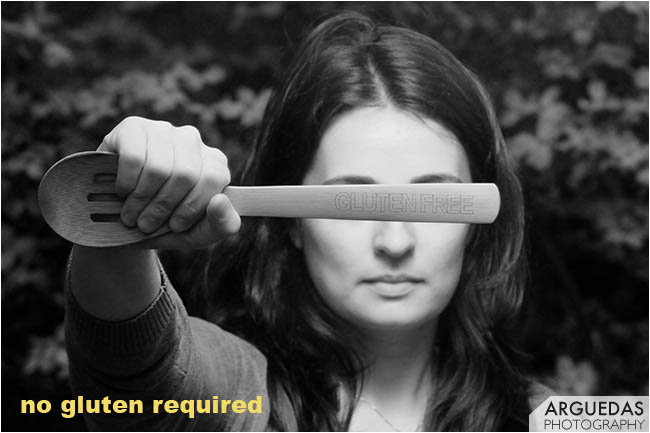
Celiac Travel just released a gluten free app for the iPhone.
Click here to download the application. (It opens in iTunes)
Friday, March 27, 2009


Thursday, March 26, 2009
Cadbury Candy
I have to thank a friend for this. Its a little early for Easter, but this old Cadbury commercial is necessary:
YouTube Video
Psssst, Easter Bunny. Check this out too:
Gluten Free list of Cadbury products (non-USA list*)
*In the USA, while Hershey's does not technically own Cadbury, they license and distribute their products. There seems to be a lot of confusion over what Hershey's will and will not disclose about their product ingredients. Some lists say some products are ok, other lists contradict those. SIZE MATTERS! Miniatures and seasonal products can and often do contain different ingredients. Always read labels and double check.
In the mean time, while I feel that this old Cadbury commercial his hysterical, I will not be buying Cadbury or Hershey's products in the near future.
Instead, I am going to send a letter requesting full disclosure of ingredients to:
David J. West
COO of Hershey Incorporated
100 Crystal A Drive
Hershey, Pennsylvania 17033
Hershey's "contact us" number: 800.468.1714
Wednesday, March 25, 2009
Belated St. Patrick's Day Celebration

You are going to look at this recipe and wonder why a nice Irish girl would go mucking about with a culinary standard. Well, this lass had a German-Irish father and a Sicilian mother... that's how the garlic, oregano, basil and rosemary got added to the pot. The first time my mother prepared boiled dinner for my dad, to his horror, she throw in a tomato as well. The literally melting pot of flavors produced a St. Patrick's Day feast so tasty that the Italian influences became a family tradition.
Corned Beef & Cabbage
corned beef brisket, recipe here
cold water
peppercorns
2 tbsp Italian seasonings
1 head of garlic
4 carrots, peeled and quartered
4 onions, peeled and halved
1 head of green cabbage cut into wedges (keep the core attached for easier removal)
8 potatoes peeled
brown mustard and viewing of Lost, optional
1. Remove the brisket from the brine and brush off most of the spices. Place it in a large stock pot and cover with enough cold water so that the meat is submerged and there are few inches of extra water (you will need this later to cook the veggies).
2. Add in a tablespoon or so of fresh black peppercorns, Italian seasonings and head of garlic. Bring to a boil, then lower to a simmer.
3. Cook for 1-3 hours, depending on the weight of the meat, till it is mostly cooked through. (The original brisket I used was 4.31 lbs and this took about 1.5 hours over medium-low heat.)
4. Add in the vegetables and turn the heat up till it begins to boil, then lower to a simmer. Cook veggies until fork-tender.
5. Remove the meat, trim it of the fat and cut into slices, against the grain of the meat.
6. Serve with spicy brown mustard and enjoy the fact that there will be many many left overs.*
*Store left overs in the boiling liquid to prevent them from drying out.
This version was even more flavorful than my homemade corned beef attempt of 2008! But for now, I am looking forward to hash for breakfast.
Vosges Chocolate
While in Chicago I checked out Vosges Chocolate. I have previously had their Mo's Bacon Bar and Black Pearl Exotic Candy Bar. I found the bacon bar, well wanting for bacon, but thought the black sesame and wasabi worked well with the dark chocolate in the Black Pearl.
Armed with info about gluten-containing truffles from their website, I was excited to try most of their offerings. Honestly, I think I should have known better. Upon walking into the storefront on North Michigan Ave. it was clear that packaging was more important than product. Purple walls, check. Purple accents, check. Expensive lighting shining on chocolate that shouldn't be exposed to that much heat, check. Overpriced clothing oddly placed between the customer and the truffle counter, you got it.
Dazzled by the prospect of rich, intense flavors I purchased the following truffles:
Rooster: Taleggio cheese + organic walnuts + Tahitian vanilla bean + bittersweet dark chocolate
Olio d'Oliva: First press extra virgin olive oil + white chocolate + dried kalamata olives
Balsamico: 12-year aged balsamic vinegar + dark chocolate + Sicilian hazelnuts
Kayoko: Japanese macha green tea + white chocolate + cherry blossom petals
Buddha's Leaf: Malaysian pandan leaves + dark chocolate + cocoa powder
Black Pearl: ginger + wasabi + dark chocolate + black sesame seeds
Naga: sweet Indian curry + coconut + deep milk chocolate
Red Fire: ancho chillies + Ceylon cinnamon + Venezuelan dark chocolate
and bars:
Organic Enchanted Mushroom Candy Bar
As I signed away my bill with a purple pen, the staff person threw in a mini Red Fire Exotic Candy Bar for free.
Overall I was underwhelmed. For the price point I expected something much more interesting, intense and more solidly constructed.
One of the truffles was cracked, the two white chocolate flavors were not filled properly and almost every truffle had separation between the two uneven layers of the outer shell. They were packaged in 2s or 4s in little cellophane bags (why they don't use boxes is beyond me), but without a guide some of the tasting was guesswork.
My favorite was the Redfire truffle which had heat, chocolate and cinnamon flavors that all came through. The pandan leaf truffle was a bit nutty but could easily have been hazelnut. The black pearl was my second favorite truffle, echoing the bar I remembered and liked so much. The rooster did pair chocolate and cheese effectively. It had an interesting tang but I am not sure its something I would necessarily reach for again. The balsamic vinegar truffle was one of the most disappointing; it clearly had a sour note, but the chocolate overwhelmed it. Some of the flavors were a bit lost, others were nearly obliterated. The white chocolate was salty and overwhelmed both the green tea and olive oil centers.
(I opted out of tasting the Naga truffle. I asked if it contained fenugreek and the staff there was not sure, so I bought one on a whim. Boy did it! Fenugreek is one of those spices that I can taste from a mile away and then only taste it for the next few hours.)
The bars faced a similar problem of missing or overpowered flavors. The dark chocolate in the Enchanted Mushroom bar masked most of the mushrooms earthiness as did the pink salt, taking over the goji in the Goji bar. The Calindia bar had a strong cardamom and chocolate flavor but I couldn't taste the prunes. (Dried plums on the label do not fool me.)
The mini Red Fire Bar hit hard with intense cinnamon and then a warm heat that tickled the back of the throat, like the truffle with the same name, it was the stand out favorite.
While I doubt I am going to be dropping that much cash on chocolate again, I think Vosges is using good products, I just question the pairings and truffle construction... a lot.
Tuesday, March 24, 2009
Lula's Cafe
I had a lovely meal at Lula, a restaurant in Logan Square, Chicago. I called ahead to ask about their Monday Night Farm Dinner, sadly it was gluten filled, but they assured me that there were other menu options that were or could be made gluten-free.
From the outside, Lula Cafe did not look like much sandwiched between a diner and apartment buildings. But the modest exterior gave way to a cozy, candlelit interior with a beautiful bar that lead down the narrow hall towards the dining room.
I started the night with a Malbec rose; I have never seen one before and thought it was worth a try. It was clean, slightly crisp, but it felt like something that was better left to warmer months.
The cheese plate appetizer came with far too much bread (not just because I could not eat it) there were two small cheese offerings a bloomy rind Italian cheese and some Great Hill Blue from Wisconsin plus brandied cherries, candied walnuts, preserves, micro greens, a drizzle of honey, flat bread crisps plus a small side plate of 4 slices of bread... it was bread overkill.
The beet and blood orange salad was a surprise. Layers of shaved fennel, serrano ham, arugula, golden and garnet beets, and supremes of blood oranges were dressed table side with black olive infused honey. The plate was also garnished with dried bits of black olives that provided a light crunch and salt that helped balance the plate.
The main dishes offered generous portions of protein paired with interesting sides. The whitefish came lightly crusted atop stinging nettles and black trumpet mushrooms and fried fingerling potatoes. I honestly thought the dots of chile oil around the plate would be overwhelming, but they added a pleasant and balanced heat to the dish. (I have never had stinging nettles before and they were a little fuzzy feeling, but soft, tender and paired well with the mushrooms.)
The flank steak, served medium rare over a bed of chickpeas and marrow-poached baby turnips had at least one or two hidden spices, beyond the cilantro listed, that made me keep going back for another bite. The meat stood out with its crisp, perfectly seasoned exterior that gave way to a tender interior, making me think that it was bathed in some clarified butter. The chickpeas were firm, but not undercooked, but the turnips were the real treat. Soft, bite sized roots had me digging through the chickpeas and green onions to find one more bite.
There was a comfortable and needed lull between courses, with casually dressed servers who knew how to read a table and their clientele.
The meal ended with the apricot milkshake and caramel panna cotta. The toasted rice and almond milkshake was thick but not overly sweet. (I passed on the accompanying cookies)
There was some confusion about the oatmeal praline topping on the panna cotta, but it was quickly resolved and a new dessert was sent out. If it would have been doable, I would have lapped the cajeta off the plate that accompanied the barely sweet goats milk panna cotta. The quince offered a texture contrast, nice, but not necessary. The salty and tangy curls of a hard goats milk cheese were cute but appropriate since the panna cotta itself did not have the characteristicly metallic or lemony hits of most goats milk products. The cajeta (similar to dulce de leche) was sweet and luscious and even with such a filling meal, I wanted more of it.
Lula is good and often times sometimes great local cuisine in a relaxed atmosphere. I look forward to a reason to visit both it and Chicago again.
Friday, March 20, 2009
More gluten free Chex
By way of Gluten Free Blog, there is word that General Mills will be reformulating more of their Chex products - in addition to the now gluten free Rice Chex - to be released in June 2009!
Thursday, March 19, 2009
Gluten Free Favorites
I have been emailing this list out to a lot of people lately, so I thought I would post it. Here is a bunch of my favorite gluten free substitute products that really helped get me over the initial diagnosis hump.
Trader Joe's Gluten Free Brown Mix - a little greasy, but tastes like the real thing and is cheaper that most box mixes
Namaste Spice Cake Mix - (I love the carrot cake adaptation, I throw in carrots, coconut, pecans, golden raisins, dried cherries - I made it into cupcakes for my birthday!)
This company does all allergy-free stuff.
EnjoyLife Snickerdoodles (I don't like their other cookies, but these are great) allergy-free, vegan and taste good!
Pamela's Cookies - some are dairy free, which is awesome (Ginger almond are my favorite)
Gluten Free Pantry mixes are good - their Angel Food Cake was good enough I served it with berries and people ate it like the real thing two weeks ago
Tinkyada Rice Pasta - best texture (DON'T serve cold)
Erewhon Cereal - They have 3 that are gluten free, two rice ones and one corn flake. The one with freeze dried berries is my favorite - pretty close to the old rice krispies
Gorilla Munch - corn cereal, similar to Kixx but crunchier
Trader Joe's Gluten Free Granola - the cranberry maple nut is really really good
Trader Joe's Gluten Free Waffles - the banana are really good and hold up well to toasting
Jennies Coconut Macaroons - hard to stop eating these once the yellow can is open
Sunshine Burgers - gluten/dairy/vegan veggie burgers (in the freezer section)
Bell & Evan's Gluten Free Chicken Strips - corn-based, expensive, but a good in-a-pinch-dinner (better with bbq or hot sauce)
Gluteno Pizza - way better than Amy's which has the texture of soggy styrofoam (any frozen gf pizza needs extra cheese/sauce)
San-J Wheat Free Tamari - less salty and a little sweeter in flavor than traditional soy sauce, this stuff rules
Julian's Gluten Free Rolls - contain soy, but are dairy free (dried and crumbled makes amazing panko-like crumbs!)
Whole Foods Gluten Free Sandwich Bread - favorite bread w/dairy
Food for Life's Gluten Free Millet bread - favorite dairy-free bread
Wednesday, March 18, 2009
My $0.02 on the FDA gluten free labeling survey
I posted the other day about the call for public comment on the proposed FDA survey on gluten free labeling. Today I uploaded my comments to Regulations.gov
This study could be really helpful and important. This is the FDA potentially asking us - the people who have to live and eat gluten-free - what we need and want in labeling. Do you want to know where your food comes from and what has been added to it? What if the ubiquitous "natural flavorings" was gone and replaced with the actual contents of the packaged food?!
I am not saying that it would solve every problem, but here is a chance for a large study to be conducted and further substantiate the findings of other studies* that to be able to be able to adhere to the gluten-free diet, persons need clear, concise and adequate information about food.
It sounds so simple, "we need to know what is in food," but like it or not, more often times than not we don't. Just last night I noticed that a product that I have used for 2 years, that was gluten free, now contains wheat. The packaging did not change, there was no warning on it. I have become relatively comfortable, almost lax, about shopping and this snapped me awake again. Like it or not, checking packaging and labels EVERY TIME is a necessity. It would be great if information could be collected about the day-to-day needs of persons who must avoid gluten and hopefully some positive legislation could be enacted.
If you are interested in viewing and posting comments, you can do so by searching for the docket number and then click on the comment bubble to add your own comment.
Docket No. FDA-2009-N-0083
Paper submissions can be sent to:
Division of Dockets Management (HFA- 305), Food and Drug Administration, 5630 Fishers Lane, rm. 1061, Rockville, MD 20852. All comments should be identified with the docket number found in brackets in the heading of this document.
Deadline for submissions is May 5, 2009
Here is my submission:
"RE: Docket No. FDA-2009-N-0083
To Whom It May Concern:
I am writing in response to the March 6, 2009 FDA notice for public comment on a voluntary consumer study entitled: “Gluten-Free Labeling of Food Products Experimental Study.”
First and foremost I would like to say that yes, a study of this nature is not only important, it is essential for the 1 in every 133 Americans who have Celiac Disease in addition to those allergic, sensitive to gluten and persons with Dermatitis Herpetiformis.
In response to your 4 points:
(1) Whether the proposed collection of information is necessary for the proper performance of FDA's functions, including whether the information will have practical utility;
Yes.
Only the “top 8” allergens are required by law to be listed, currently there are no regulations that require the full disclosure of all ingredients in packaged foods in the US. Gluten is found in: wheat, rye, barley, kamut, spelt, durum, semolina, einkorn, faro and triticale. Since the ubiquitous “natural flavors” is often listed as ingredients and can be almost anything, it is truly difficult to know if a product does or does not contain gluten.
In addition to a lack of information about what is (or is not) contained within a product, current labels are often confusing and contradictory.
e.g. products such as Rice Dream and Benefiber that both contain barely and/or wheat, but are labeled “gluten free.”
Even when packages are clearly labeled, cross-contamination and mistakes cause people to become violently ill. See one of the most recently reported cases where “gluten free” was not: “Children at risk in food roulette: Mislabeling, lax oversight threaten people with allergies” by Same Roe in Chicago Tribune, 21 November 2008)
http://www.chicagotribune.com/features/lifestyle/health/chi-081120-allergens-tribune-investigation,0,506031.story?page=1
(2) the accuracy of FDA's estimate of the burden of the proposed collection of information, including the validity of the methodology and assumptions used
It is essential to get participants who are in the various stages of the gluten-free diet; persons just starting the diet have drastically different needs than those who have done it for many years, where changes to products without adequate labeling of new or different ingredients is often a problem. It is also essential to survey those caregivers who purchase and prepare foods for those who cannot eat gluten. (Parents of young children, food assistance programs, care giving facilities, etc.)
It is also important to survey persons from different ethnic and socio-economic groups because what people can eat and what people should it is shaped by their culture and their wallet.
One challenge will be the fact that many persons who have Celiac Disease and/or gluten sensitivity also have other food intolerances. The needs and questions surrounding good packaging are limited to just whether something does or does not contain gluten. This will skew some responses and survey questions need to be constructed with this in mind.
(3) ways to enhance the quality, utility, and clarity of the information to be collected
-Offer the survey in more than one language.
-Offer a paper version of the survey for those with physical limitation or without access to the internet.
-Products labeled “gluten free” often cost more. This is an important data collection point.
-Offer the results of the survey to the public.
(4) ways to minimize the burden of the collection of information on respondents, including through the use of automated collection techniques, when appropriate, and other forms of information technology.
-Using already developed online survey tools (like surveymonkey.com) allows for customizable data collection and would defray much of the cost of having to start, build and test a database system.
-Using a simple, online survey that allowed for a variety of types of questions (multiple choice and open ended response) would aid in the collection of more accurate date.
-An online survey would also enable the FDA to contact current Celiac Disease Research Centers, ask for them to distribute the survey to their mailing lists. (Beth Israel Celiac Disease Center, CDC @ Columbia, U of Maryland for Celiac Research, American Celiac Society, Celiac.com, etc.) This would further defray the cost of finding participants.
I hope these are in some way useful.
Again, I thank you for your time and concern and am looking forward to the study and its results.
Kristina Nies
Diagnosed with Celiac Disease June 2007"
Comment tracking number is 8091b9f7
A. Sverker, G. Hensing & C. Hallert. “‘Controlled by food’ – lived experiences of coeliac disease.” The Journal of Human Nutrition and Dietetics 18 (2005): 171-180.; andNew England Journal of Medicine (2007) 357. 1731-1743.; and A.R. Lee, D.L. Ng, J. Zivin & P.H.R. Green. “Economic burden of a gluten-free diet” Journal of Human Nutrition and Dietetics (20) 423-430.
This study could be really helpful and important. This is the FDA potentially asking us - the people who have to live and eat gluten-free - what we need and want in labeling. Do you want to know where your food comes from and what has been added to it? What if the ubiquitous "natural flavorings" was gone and replaced with the actual contents of the packaged food?!
I am not saying that it would solve every problem, but here is a chance for a large study to be conducted and further substantiate the findings of other studies* that to be able to be able to adhere to the gluten-free diet, persons need clear, concise and adequate information about food.
It sounds so simple, "we need to know what is in food," but like it or not, more often times than not we don't. Just last night I noticed that a product that I have used for 2 years, that was gluten free, now contains wheat. The packaging did not change, there was no warning on it. I have become relatively comfortable, almost lax, about shopping and this snapped me awake again. Like it or not, checking packaging and labels EVERY TIME is a necessity. It would be great if information could be collected about the day-to-day needs of persons who must avoid gluten and hopefully some positive legislation could be enacted.
If you are interested in viewing and posting comments, you can do so by searching for the docket number and then click on the comment bubble to add your own comment.
Docket No. FDA-2009-N-0083
Paper submissions can be sent to:
Division of Dockets Management (HFA- 305), Food and Drug Administration, 5630 Fishers Lane, rm. 1061, Rockville, MD 20852. All comments should be identified with the docket number found in brackets in the heading of this document.
Deadline for submissions is May 5, 2009
Here is my submission:
"RE: Docket No. FDA-2009-N-0083
To Whom It May Concern:
I am writing in response to the March 6, 2009 FDA notice for public comment on a voluntary consumer study entitled: “Gluten-Free Labeling of Food Products Experimental Study.”
First and foremost I would like to say that yes, a study of this nature is not only important, it is essential for the 1 in every 133 Americans who have Celiac Disease in addition to those allergic, sensitive to gluten and persons with Dermatitis Herpetiformis.
In response to your 4 points:
(1) Whether the proposed collection of information is necessary for the proper performance of FDA's functions, including whether the information will have practical utility;
Yes.
Only the “top 8” allergens are required by law to be listed, currently there are no regulations that require the full disclosure of all ingredients in packaged foods in the US. Gluten is found in: wheat, rye, barley, kamut, spelt, durum, semolina, einkorn, faro and triticale. Since the ubiquitous “natural flavors” is often listed as ingredients and can be almost anything, it is truly difficult to know if a product does or does not contain gluten.
In addition to a lack of information about what is (or is not) contained within a product, current labels are often confusing and contradictory.
e.g. products such as Rice Dream and Benefiber that both contain barely and/or wheat, but are labeled “gluten free.”
Even when packages are clearly labeled, cross-contamination and mistakes cause people to become violently ill. See one of the most recently reported cases where “gluten free” was not: “Children at risk in food roulette: Mislabeling, lax oversight threaten people with allergies” by Same Roe in Chicago Tribune, 21 November 2008)
http://www.chicagotribune.com/features/lifestyle/health/chi-081120-allergens-tribune-investigation,0,506031.story?page=1
(2) the accuracy of FDA's estimate of the burden of the proposed collection of information, including the validity of the methodology and assumptions used
It is essential to get participants who are in the various stages of the gluten-free diet; persons just starting the diet have drastically different needs than those who have done it for many years, where changes to products without adequate labeling of new or different ingredients is often a problem. It is also essential to survey those caregivers who purchase and prepare foods for those who cannot eat gluten. (Parents of young children, food assistance programs, care giving facilities, etc.)
It is also important to survey persons from different ethnic and socio-economic groups because what people can eat and what people should it is shaped by their culture and their wallet.
One challenge will be the fact that many persons who have Celiac Disease and/or gluten sensitivity also have other food intolerances. The needs and questions surrounding good packaging are limited to just whether something does or does not contain gluten. This will skew some responses and survey questions need to be constructed with this in mind.
(3) ways to enhance the quality, utility, and clarity of the information to be collected
-Offer the survey in more than one language.
-Offer a paper version of the survey for those with physical limitation or without access to the internet.
-Products labeled “gluten free” often cost more. This is an important data collection point.
-Offer the results of the survey to the public.
(4) ways to minimize the burden of the collection of information on respondents, including through the use of automated collection techniques, when appropriate, and other forms of information technology.
-Using already developed online survey tools (like surveymonkey.com) allows for customizable data collection and would defray much of the cost of having to start, build and test a database system.
-Using a simple, online survey that allowed for a variety of types of questions (multiple choice and open ended response) would aid in the collection of more accurate date.
-An online survey would also enable the FDA to contact current Celiac Disease Research Centers, ask for them to distribute the survey to their mailing lists. (Beth Israel Celiac Disease Center, CDC @ Columbia, U of Maryland for Celiac Research, American Celiac Society, Celiac.com, etc.) This would further defray the cost of finding participants.
I hope these are in some way useful.
Again, I thank you for your time and concern and am looking forward to the study and its results.
Kristina Nies
Diagnosed with Celiac Disease June 2007"
Comment tracking number is 8091b9f7
A. Sverker, G. Hensing & C. Hallert. “‘Controlled by food’ – lived experiences of coeliac disease.” The Journal of Human Nutrition and Dietetics 18 (2005): 171-180.; and
Tuesday, March 17, 2009
Irish Soda Bread

I postponed the full corned beef and cabbage dinner till next week, but I had a hankering for soda bread. My attempt last year resulted in a chewy, spongy, weird "bread" so this year I tried combining three different recipes to create one new one.
Working off of my Grammy Scally's recipe, Irish Soda Bread w/Millet, and Gluten Free Irish Soda Bread, I made one recipe to rule them all:
Irish Soda Bread
1/2 cup millet flour
1/2 cup sweet rice flour
1/2 cup potato starch
1/4 cup sweet sorghum flour
1/4 cup tapioca starch
1 tsp xanthan gum
1 tsp baking powder
1 tsp baking soda
1 tbsp sugar
1 tsp salt
2 eggs
4 tbsp melted butter
3/4 cup buttermilk
1 cup raisins, soaked in hot water and drained
1-2 tbsp caraway seeds (optional)
1. Mix all of the dry ingredients together. (sift if necessary)
2. Add the wet ingredients to the dry. (make sure the melted butter isn't hot or it will scramble the eggs - that would be bad)
3. Stir in raisins and seeds.
4. Put into a greased loaf pan or cake pan and bake at 350F for 30-40 minutes until a toothpick comes out clean when inserted into the center.
5. Remove from oven and allow to cool for 5 minutes then remove from pan and place on cooling rack.

The luck of the Irish must have been with me this year because this turned out fantastically. Good, even crumb, moist and a bit sweet and toothsome but not at all chewy.
Monday, March 16, 2009
National Artichoke Heart Day
March 16th is National Artichoke Heart Day!
I like artichokes, I love artichokes.
Here is a picture I took in 2002 when I went to Sicily in search of the perfect artichoke.
(I was lucky enough to enjoy a 13 course meal of artichokes in a small restaurant in Cefalu, the self-proclaimed artichoke capital of the world!)


The idea for tonight's meal was artichokes 2 ways: fried baby artichokes with aioli and stuffed and steamed artichokes - the way my mom used to make them.
The cleaned and quartered baby artichokes fried up well, sprinkled with course salt and dipped in aioli they were really good (even after a fellow dinner pointed out that they sort of looked like cockroaches, we all still kept on eating).
The side dish of chick peas with cumin and mustard seeds along with rice and a quick salad of Boston lettuce and honey mustard dressing, round out the meal pretty well.
The stuffed artichokes on the other hand... well they were not as expected.
We cleaned them and stuffed them with minced garlic, olive oil, homemade gf breadcrumbs and topped with a bit of grated Romano cheese. The flavor was there, but they never cooked through fully. I think most of the water burned off (they were being steamed in a veggie steamer inside a pot) and while the bottom of the pot charred, the artichokes just sat there.
Artichokes are just starting to come into season, so it won't be the last time to appreciate these buds this year.
Subscribe to:
Posts (Atom)

